Banking 101: A guide to financial institutions
Learn what financial institutions do, how to choose one, and how FDIC insurance protects your deposits.

A bank account is more than a place to park cash. It is a set of tools that can help you get paid, pay bills, move money, and work toward your goals. This article explains how banks, credit unions, and online-only banks operate, what they offer, and why using a financial institution can help simplify everyday money management.
What you can do with a bank account
Financial institutions like banks and credit unions can offer a safe place to store money and simple ways to use it. You can put funds into checking and savings accounts, then pay bills and make purchases using debit cards, checks, and online transfers. Depending on the account, you may also earn interest on the money you keep there.
Many institutions also provide services such as credit cards and investment accounts. To pay for these services, they may charge fees for these services and interest on loans.
Choosing a type of financial institution
Most people will use one of these three options:
- Banks provide the money management services described above. Some are national or regional with many branches, while others are community banks with one location or just a few. Most also offer online and mobile banking.
- Credit unions are not-for-profit financial institutions that offer many of the same services as banks. They are member-owned and typically serve members who meet certain eligibility criteria, such as location, employer, or industry.
- Online-only banks do not have physical branches. You manage your account through a website or mobile app, and the bank may issue an ATM card for cash access, which may involve fees depending on the ATM network and account terms. Many offer customer support by phone, but generally do not provide in-person service.
In everyday conversation, the general term “bank account” might refer to a deposit account at any type of institution — bank or credit union.
Whichever type of institution you choose, accounts may be insured through the Federal Deposit Insurance Corporation (FDIC) or the National Credit Union Administration (NCUA). If something happens to an insured institution, each depositor can get their money back up to $250,000 per account ownership category. For details on deposit insurance, visit the FDIC’s website.
No overdraft fees. Period.
Open a Clear Access Banking account with Wells Fargo.
Why people use financial institutions
Using a deposit account can make routine money tasks simpler and help you keep more of what you earn. Here are the main advantages:

Safety and security: Storing money in an account is typically safer than keeping large amounts of cash. Cash can be lost, stolen, or destroyed, and it can be hard to replace. With an account, your money is protected and ready to use when you need it. FDIC or NCUA insurance protects deposits at insured institutions, and financial institutions also must follow laws and regulations designed to protect customers’ money.

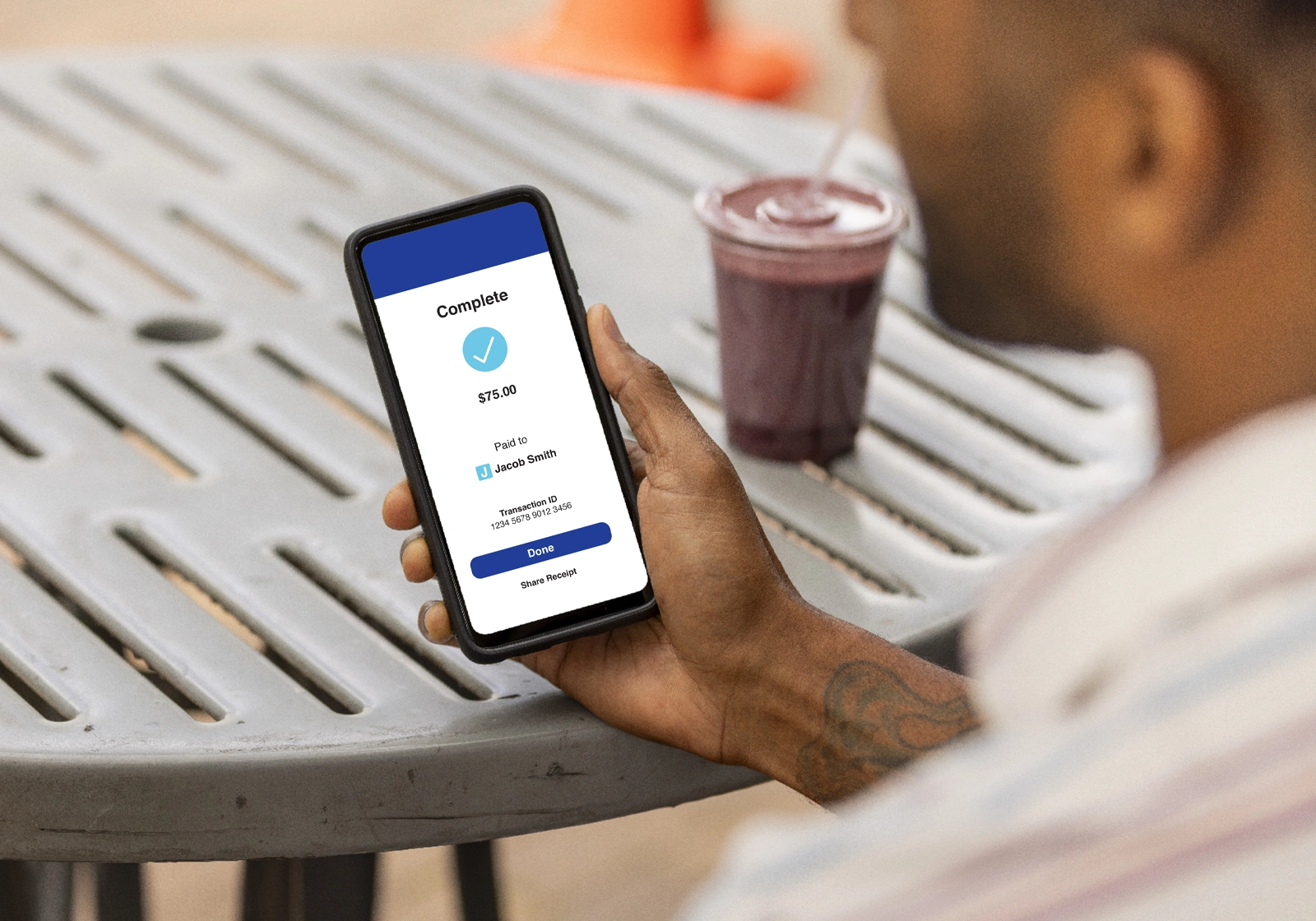
Convenience: Banking tools like these can streamline day-to-day money management—debit cards and ATM cards, checks, online banking, mobile apps, bank branches with financial professionals who can help. A debit card can help you access cash at many retail locations, including grocery stores, and you can use your card or a digital wallet to buy what you need and pay bills. Online banking and mobile apps also make it easy to move money between accounts, helping provide convenient access to your funds, subject to system availability and transaction timing.

Cost savings: Without a bank account, some people turn to check-cashing stores or payday lenders to handle basic needs. These options often charge high interest and steep fees that can add up fast. Bank accounts might also come with some costs, because institutions charge for their services to stay in business. But using a bank account often costs less than non-bank financial services.

Access to advice and guidance: Banking with a financial institution can also connect you with financial professionals who may answer questions and share guidance. Their experience can support you as you work toward a stronger financial future.
A bank account can help you store money safely and manage everyday tasks like paying bills and moving funds. As you compare banks, credit unions, and online-only banks, consider FDIC or NCUA insurance along with fees, interest, and access to helpful guidance.
-
Go beyond the basics
Get practical tools and clear next steps, tailored to you, from Get Money Ready Coach.