4 money management tips to help simplify your finances
Strategies that help you stay on top of bills, pay off debt, and save money toward your goals.

Managing money means taking care of your personal finances — and doing it well can help make paying bills, buying groceries, and investing in the future feel easier and less stressful. Smart money management can also help end the paycheck-to-paycheck cycle to give you a serious sense of progress.
Let’s explore four simple money management tips that can help improve your money management habits right away.
Money management tips for building good habits
Getting comfortable with these four money management tips may help you meet your monthly bills, understand where your money goes each month, and build a solid plan for meeting future financial goals.
1. Understand your income and cash flow
Everyone’s income and pay schedule looks a little different. If you’re on a salary, your pay might arrive on a set schedule at a set amount. But if you earn hourly wages, work seasonally, freelance, or receive benefits, your pay may change from month to month. What’s important is understanding what your income usually looks like and how to plan around any changes.
Examine where all your money comes from. Are there times when your income rises or dips? This information could help guide your spending and saving decisions.
For example, you could save more during high-income months to help cover slower ones later. If you’re paid every two weeks, there will be a couple months each year when you get three paychecks instead of two.
If you can typically make it through a month with just two paychecks, then those months when you get three paychecks can be opportunities to boost savings or make extra progress on debt. Consider treating the third paycheck as extra income and put it toward your most pressing financial goals.

Coach’s note:
If possible, set up direct deposit to your bank account so that your paychecks are deposited quickly and automatically. Your employer or bank can help.
2. Know your bill due dates
In the same place where you noted your income and paydays, create a list of your bills and their due dates. Plan to have enough money to pay the bills each week or month. A spending plan, like the 50/30/20 rule explained below, can help with this.

Coach’s note:
Request a due date change from your creditors or service providers if you’re having trouble paying a bill on time. This can help you match the timing of your bills with the timing of your income.
3. Track what you spend
Tracking what you spend is one of the most important money management tips — and a great way to start improving your financial well-being. Here are a few ideas that may help you stay on top:
- Use an app. If you spend mostly with a debit card, many banking apps come with tools to help you track your spending. Some reputable budgeting apps can securely link your bank accounts to the app so that they can record and categorize your spending for you. Research a few well-known budgeting apps and try using one to review your spending at the end of each day or week to see how you’re doing.
- Write it down. If you do most of your spending with cash, this may be a good approach. Note how much money you spend on what, where, and when. Keeping a document on your smartphone works, and you can take it with you to log your spending as you do it.
- Review your monthly statements. Even if you’re using one of the two methods above, it’s still a good idea to review your monthly bank statements. It only takes a few minutes — and picking one day of the month to review them may help you reflect on your spending, increase awareness for future spending, and spot errors or fraud.
Coach’s note:
When tracking and reflecting on your spending, think of each purchase as a want or a need. For example, groceries are a need — but going to the movies is more of a want.
4. Make saving a priority
After you know your income, bill due dates, and how to track your spending, it’s time to think about saving. Even if you can’t save much at first, make it a habit to put a little away from each paycheck — every dollar saved is progress, and these saving tips can give you something to work toward:
- Emergencies. An emergency fund can help keep you out of debt when an unexpected expense arises. Try making $500 your first savings goal and then plan to save enough money to cover three to six months’ worth of living expenses.
- Retirement. Putting money away in a retirement account may help you make sure you have enough income to take care of yourself when you’re older.
- Write the plan down. Create a simple agreement with the loan amount and repayment terms. Consider consulting an attorney, as laws vary from state to state on what it takes for a written agreement to be enforceable.
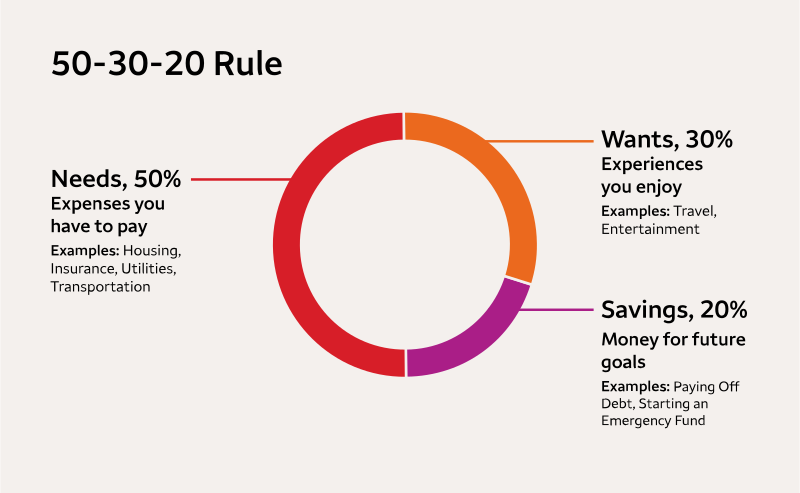
Try the 50/30/20 rule to help you start budgeting
If you’ve never budgeted before, trying a spending plan like the 50/30/20 rule could make it easier for you to get started. Here’s how it works:
- 50% of your income for your needs, like rent, groceries, and transportation
- 30% of your income for your wants, or nonessential spending, like travel or entertainment
- 20% of your income for paying off debt and investing in the future
These percentages are general guidelines, and it’s OK if you don’t spend and save according to these exact numbers every month. You can still use the rule to help you be more mindful of your spending and saving.
Money management tips to help you spend mindfully
Consistently tracking your cash flow, spending, and saving can yield big results down the road — we’re talking about more confidence and security. Beyond sticking to the money management tips above, here are some other ideas to help you reduce your spending and avoid — or break out of — the paycheck-to-paycheck cycle:
- Check in with yourself before you buy. When you’re considering a purchase, ask yourself these three questions: “Do I really need it? Do I need it now? Can I buy it cheaper?”
- Cancel unnecessary subscriptions. When you track your spending, you may realize that you’re paying for subscriptions you’ve forgotten about or don’t really need. Consider continuing to pay for only the ones that matter to you most.
- Carry only the cash you need. Bringing just the amount you plan to spend can help you avoid impulse purchases and overspending, preventing your spending plan from going off track.
- Shop sales, discounts, and generic brands. For some needs, like groceries, you may be able to save money by trying alternative brands and products. Try waiting for sale prices on the items you really want. For clothing, consider thrift shopping, too.
You can be good at money management without making big or drastic changes in your life. The key is getting started — even small steps make a big difference, and staying consistent helps you overcome setbacks and boosts your financial confidence over time.
Coach’s note:
Need more saving tips? Start small, make a spending plan, and look for ways to reduce your expenses. Saving $20 a week can help you save more than $1,000 in just a year!
-
Keep the momentum going
Try Get Money Ready Coach to turn your savings goals into an action plan.