How to read your pay stub
Your pay stub can help you see where your money is going and if you’re being paid correctly. Let’s look at the common sections of a pay stub and explain why each is important.

Summary
A pay stub shows how much you earned, what was withheld for taxes and benefits, and what you actually take home. It can help you check your pay, spot errors, and prove your income when you need to — like when renting an apartment, applying for a loan, or filing income taxes.
Think of your pay stub, or pay statement, as a tool that helps you understand the story of your income. It shows you how much you earn, how much was withheld for taxes or benefits, and what you actually take home each paycheck (your net income).
If you’ve ever looked at your pay stub and felt confused, you’re not alone. Let’s walk through it together so you can read it with confidence.
What’s a pay stub and why does it matter?
A pay stub is a paper or digital document that shows you how much you earned during a specific pay period and how much of your pay was withheld for things like taxes and benefits, such as health insurance.
Pay stubs matter because they help you see where your money goes. This clarity could help you understand your take-home pay, spot errors, and make smarter decisions about your finances. You may also need your pay stub as proof of income when renting an apartment or applying for a loan. Pay stubs can also help you verify that the information reported on year-end tax forms, such as Form W 2, is accurate.
-
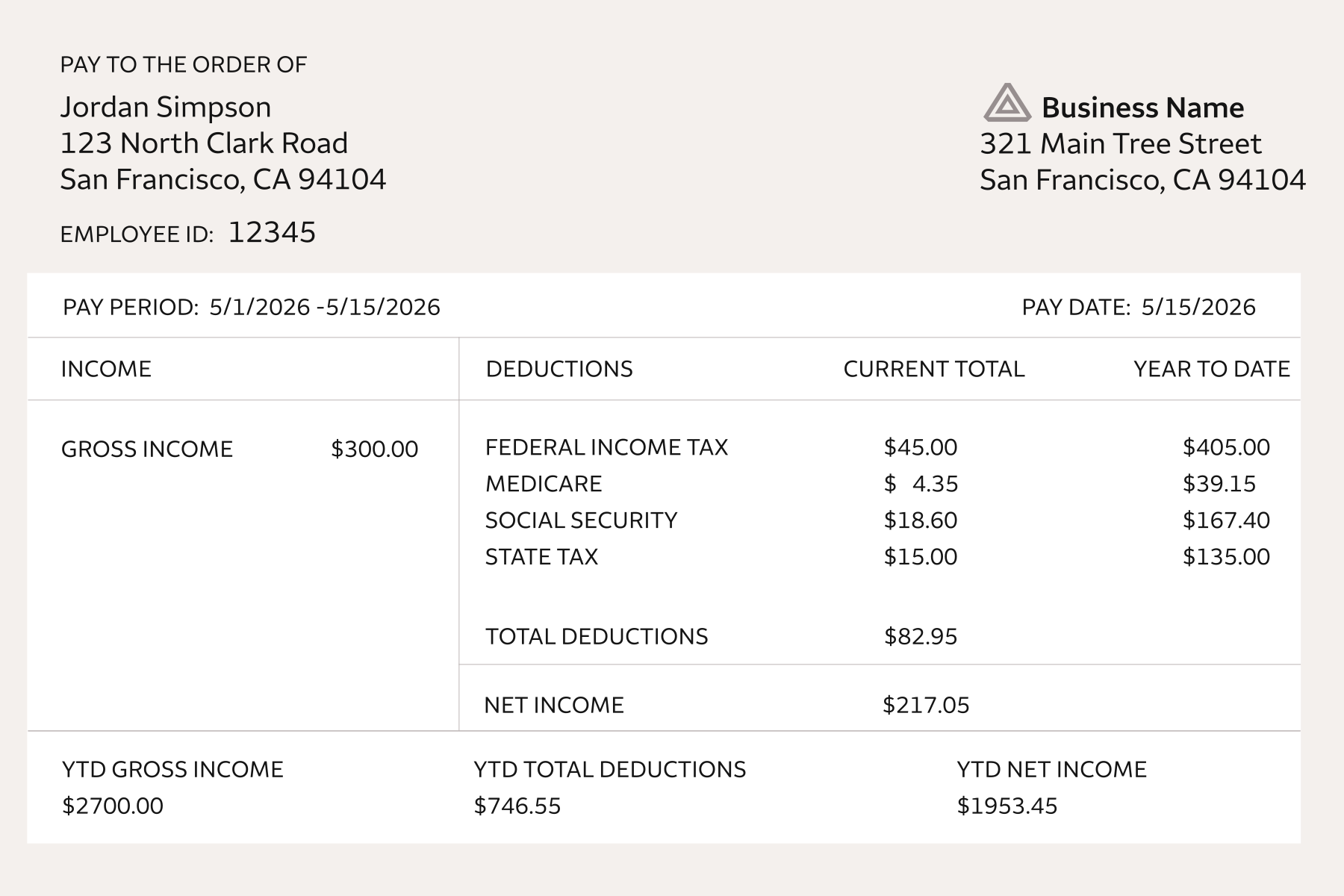
The main parts of a pay stub
Most pay stubs include similar sections, even if the layout looks different. Here are the key parts to look for.
-
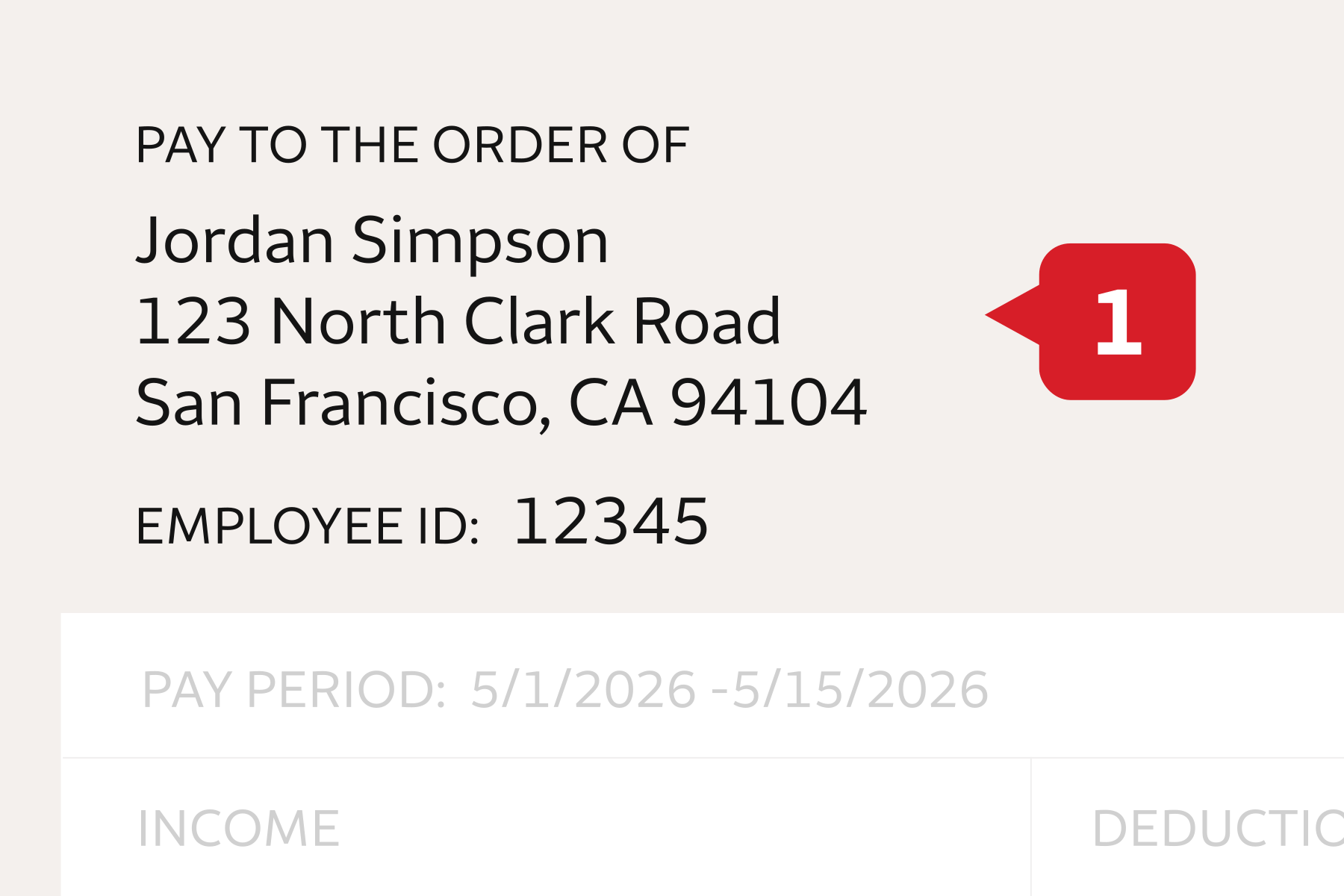
Employee info
Your name, address, employee ID number, and sometimes part of your Social Security number.
-
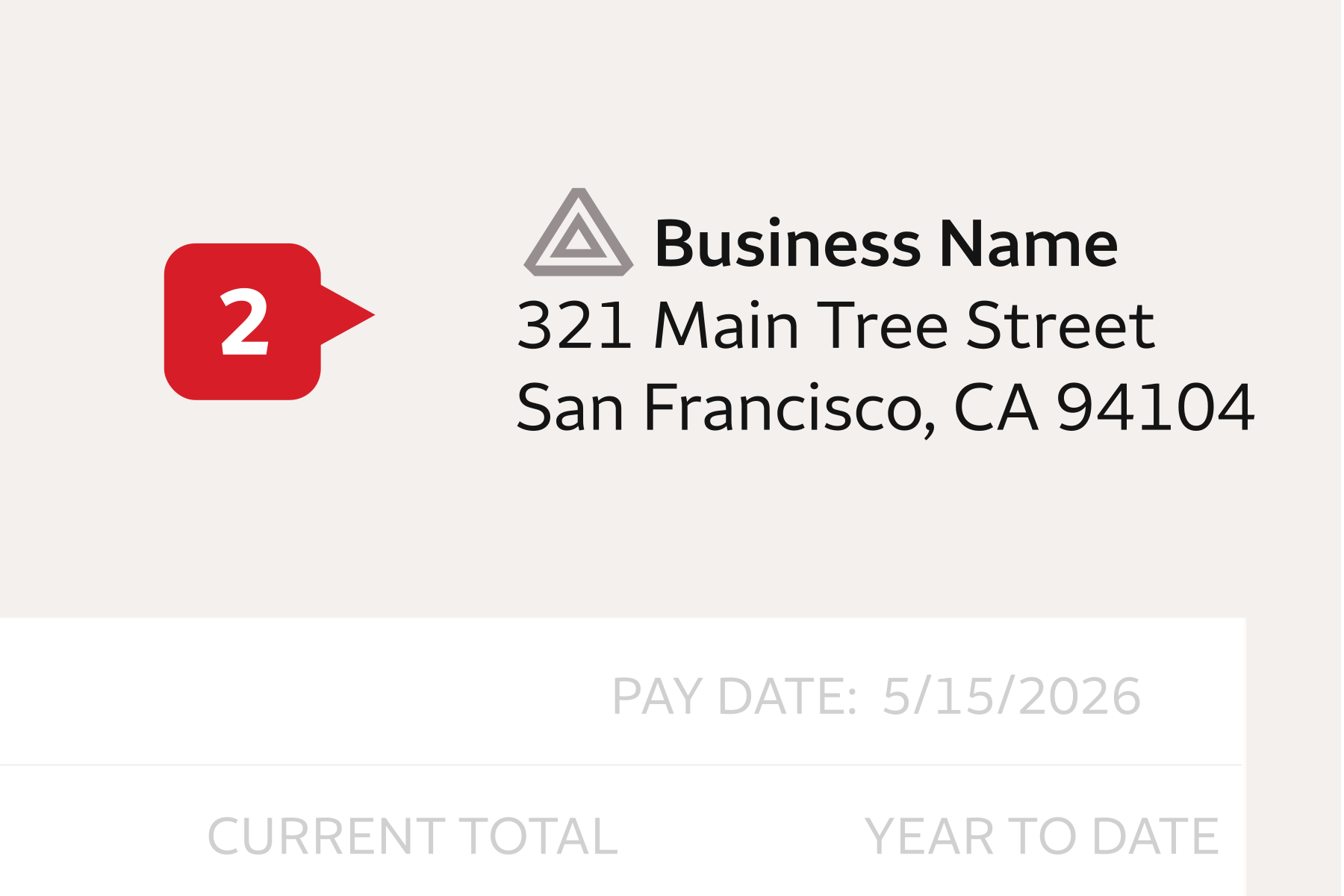
Employer info
The name and address of the company paying you.
-
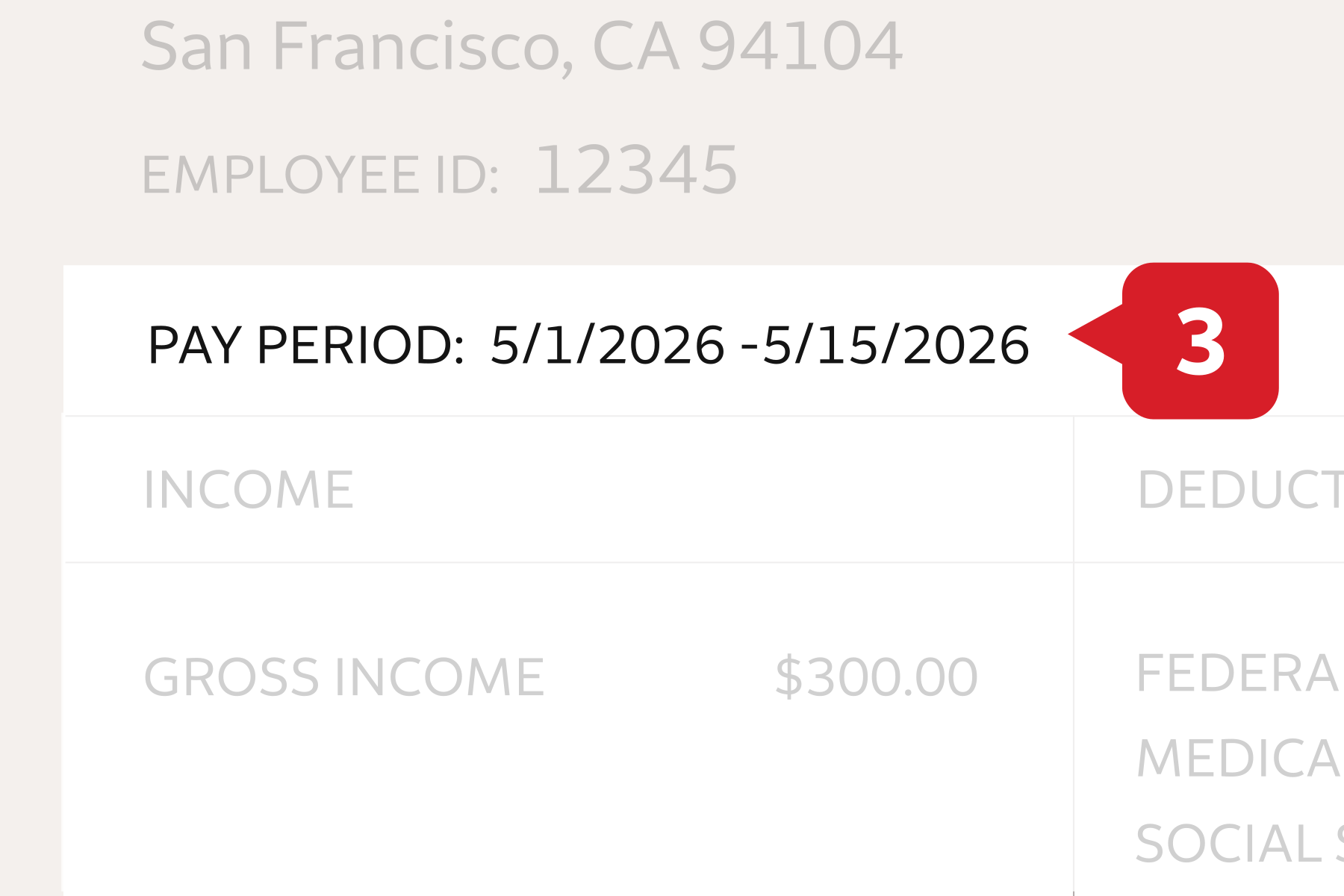
Pay period
The start and end dates for the work you’re being paid for.
-
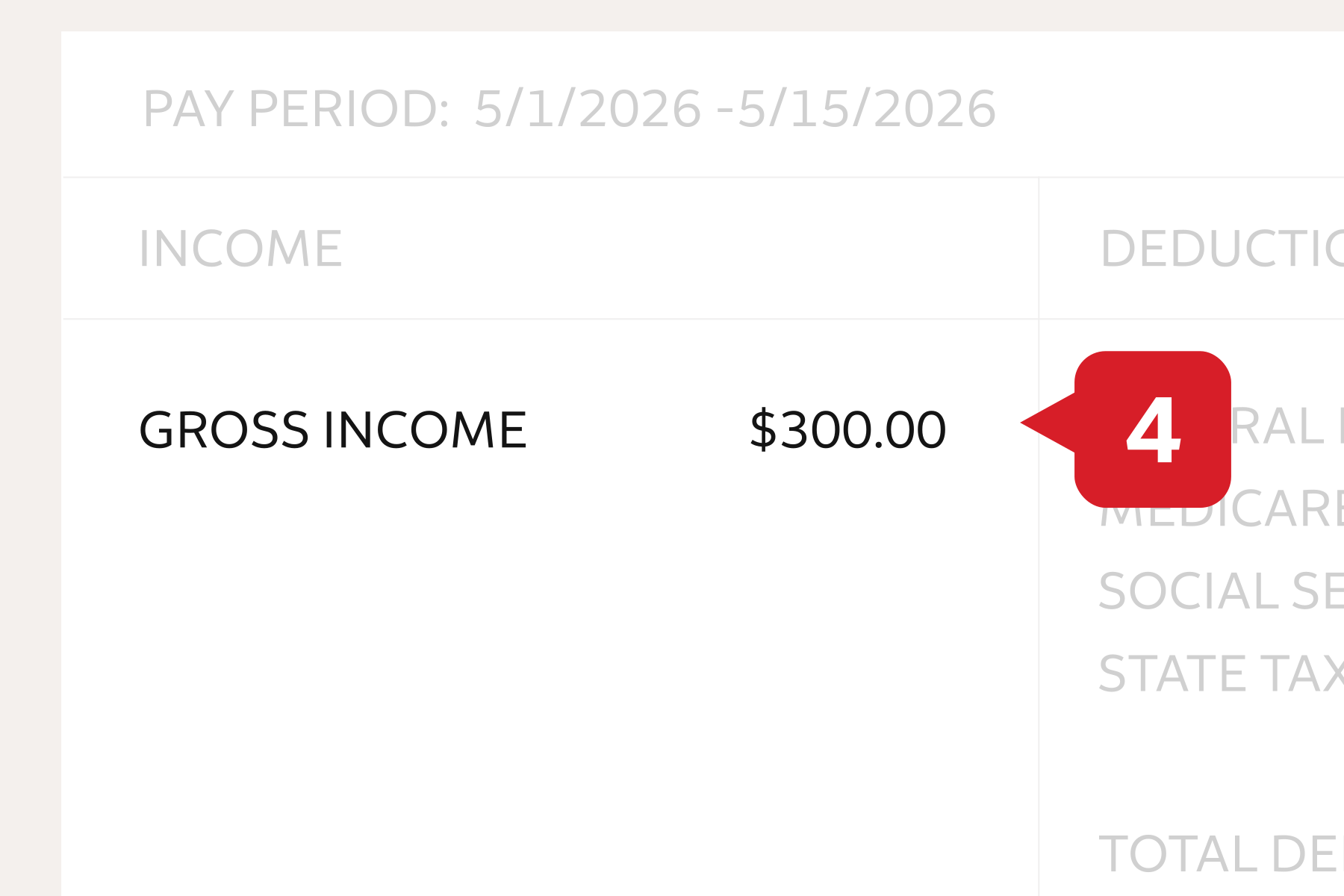
Gross pay
The total amount of money you earned before taxes or deductions.
-
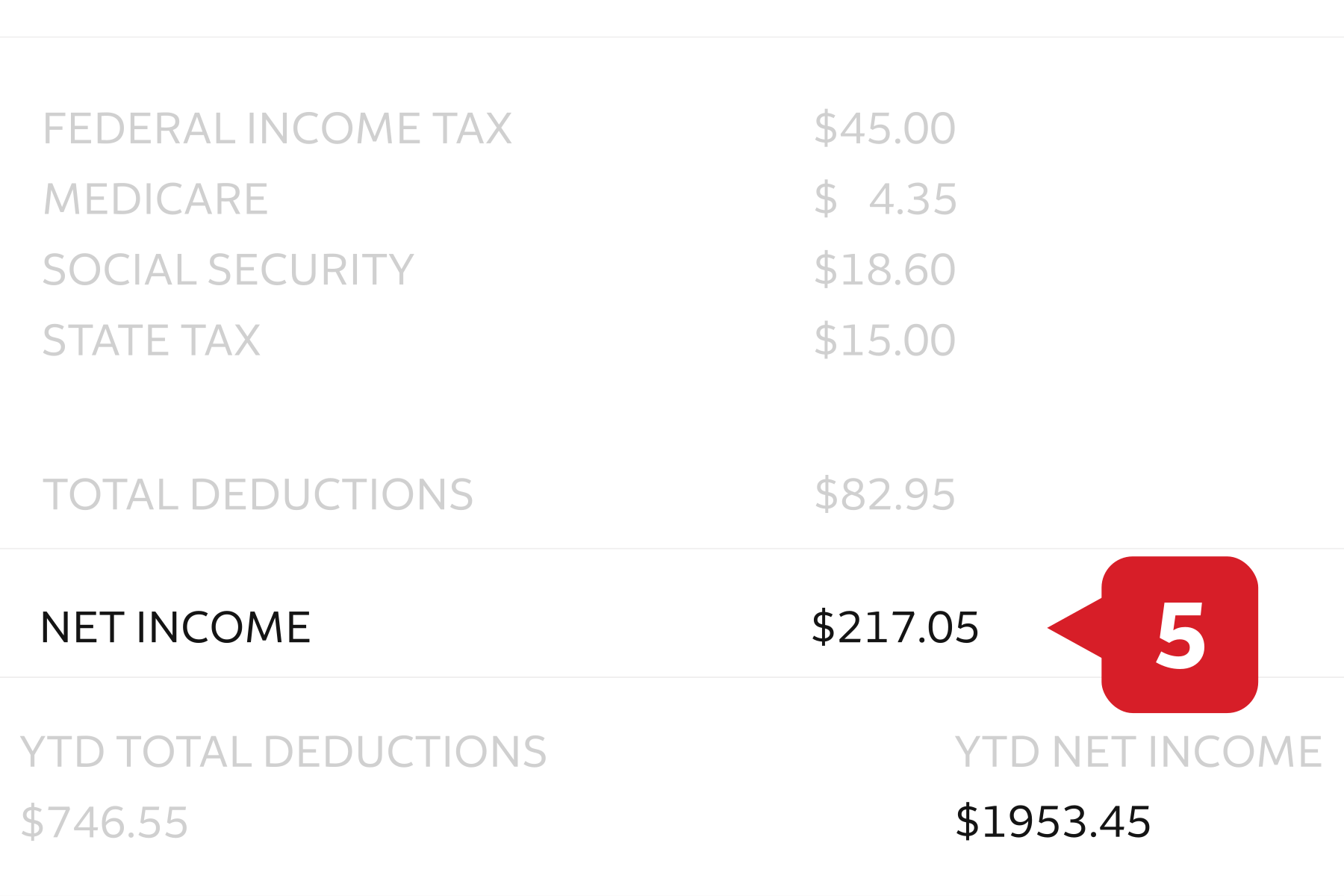
Net pay (take-home pay)
The amount you receive after deductions.
-
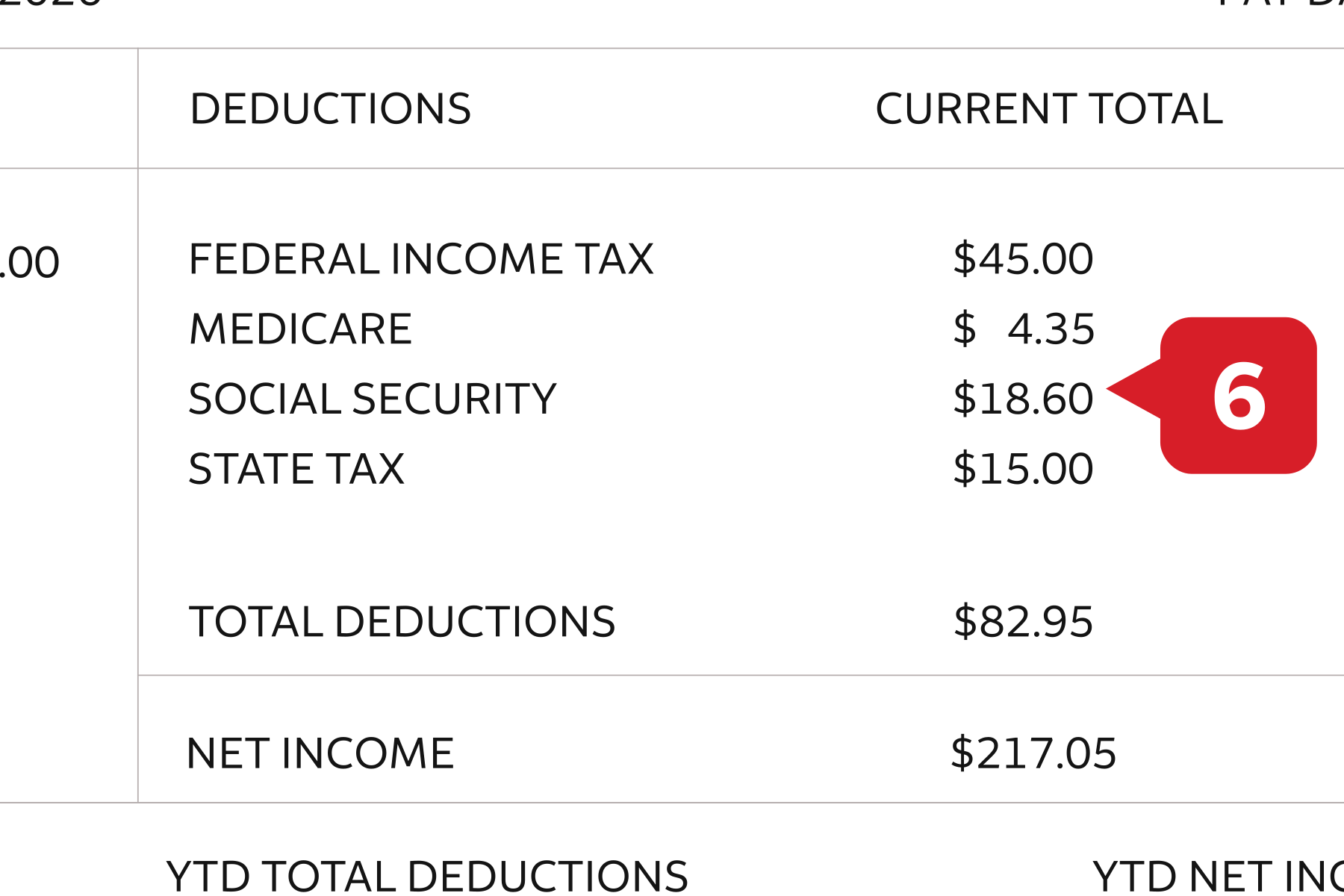
Deductions
Money taken out for taxes, insurance, retirement contributions, or other benefits.
-
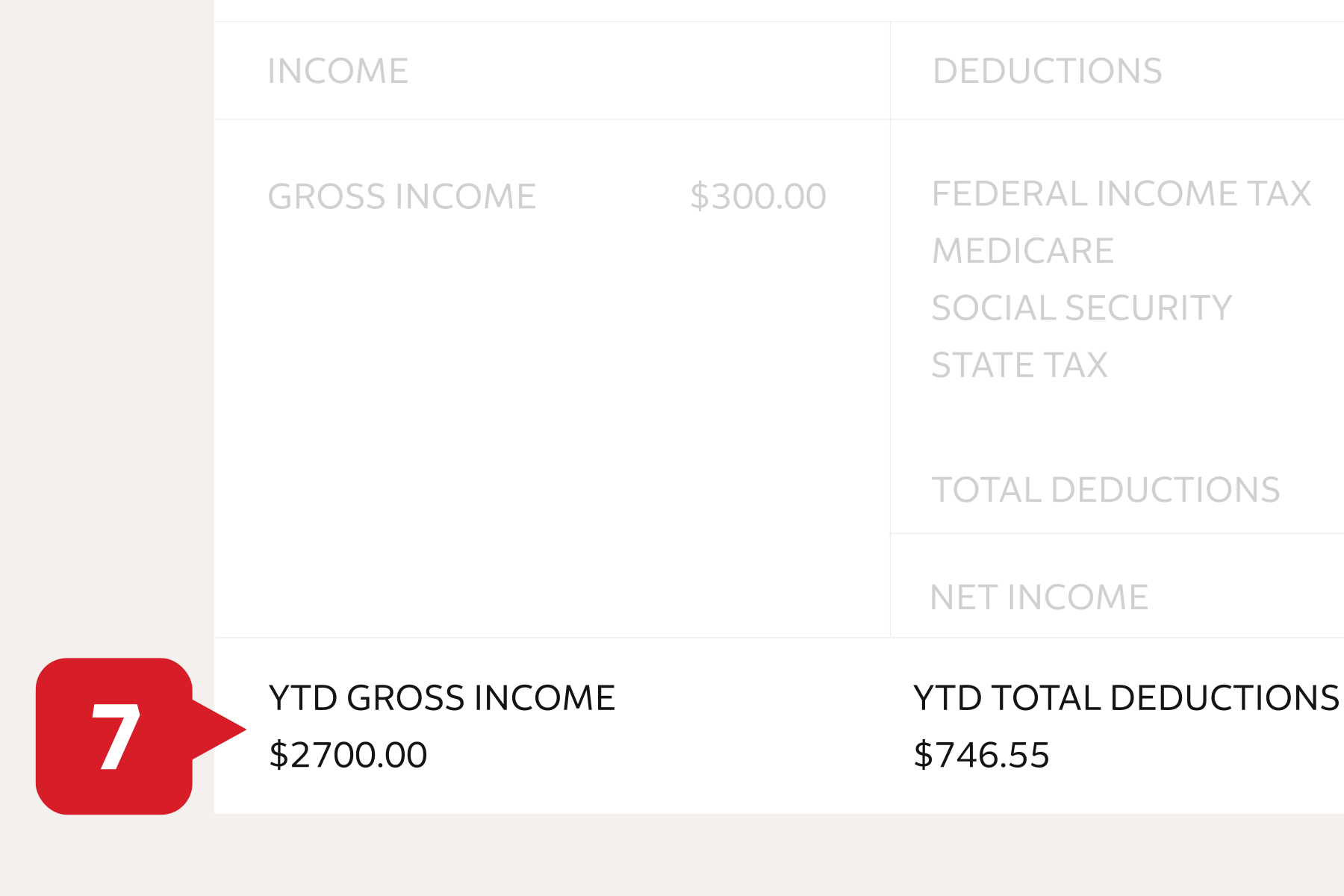
Year-to-date summaries
Running totals of what you’ve earned and what’s been deducted so far.
Once you know what these sections mean, reading your pay stub becomes much less intimidating. You can download this sample pay stub and refer to it later.
What should you look for when reviewing your pay stub?
Looking at a few key areas of your pay stub regularly can help you catch mistakes and stay more aware of your money. Here’s what to consider:
- Does your pay rate or salary match what you agreed to?
- Do your hours look accurate?
- Are your tax withholdings or benefit deductions what you expect? (For guidance on tax withholdings, the Internal Revenue Service’s Tax Withholding Estimator is a good place to start.
- Does your net pay match what you anticipated?
A quick review can help you catch mistakes early, so you can avoid stress later.
How do you get your pay stub?
Your employer may provide pay stubs electronically through an online payroll or benefits portal, or they may issue paper copies (which you may receive in the mail).
If you’re not sure how to access yours, reach out to your HR department or manager. They can help you locate current and past pay statements.
Sometimes, you may need to find and share your pay stubs as proof of income. If you’re taking out a loan or applying for a lease, for example, the lender or landlord could require you to share one or more recent pay statements as part of your application.
Why should I review my pay stub regularly?
A quick review each payday can become a simple habit that helps you stay on top of your finances.
Reviewing your pay stub helps you understand exactly how much you earn, how much you take home, and how much goes toward taxes or benefits.
You don’t have to review every pay stub line by line, but knowing how to read one can help you feel more in control of your finances. And if payroll issues occur — understanding your pay stub could help you spot or fix any errors quickly.
Steps to consider for your next pay stub
Now that you have a better understanding of your pay stub, reviewing the next one you get could help you build financial awareness. Consider these steps when you get paid:

Verify your personal information. Is information like your name, address, and Social Security number correct?
Confirm your pay. Does your gross income or hourly rate match up with what your employer agreed to pay you?

Review your deductions. Is the amount being taken out for taxes, retirement contributions, and other benefits appropriate?

Save a copy securely. Keep your pay stubs in a secure digital or physical folder in case you need them later.
Understanding your pay stub is a small step that builds financial awareness. And awareness can help you move forward with confidence.

Coach’s note:
A quick review is especially helpful if your take-home pay changes. Catching an issue early can make it easier to fix.

Takeaways and next steps
- A pay stub is a document that shows details about you, your employer, your earnings, and your deductions.
- Key parts of a pay stub include employee and employer information, the pay period, gross pay, net pay, deductions, and year-to-date totals.
- Reviewing your pay stubs often could help you spot errors early, whether they affect your pay or your personal information.
- Check your employer’s benefits portal or contact HR if you’re not sure how to find your pay stub.
- Saving your pay stubs could come in handy. You may need them as proof of income when applying for a loan or lease.
When you get your next paycheck, take a few minutes to review your pay stub. Check your pay, deductions, and personal information so you can catch errors early and better understand where your money is going.
-
Strengthen your financial foundation — at your own pace
Get a clear plan, practical tools, and guided steps to move forward with Get Money Ready Coach.